How to Co-op in Stonewards
Online teamwork for mining, forging, and King defense in Banana Tiger Studio's roguelite.
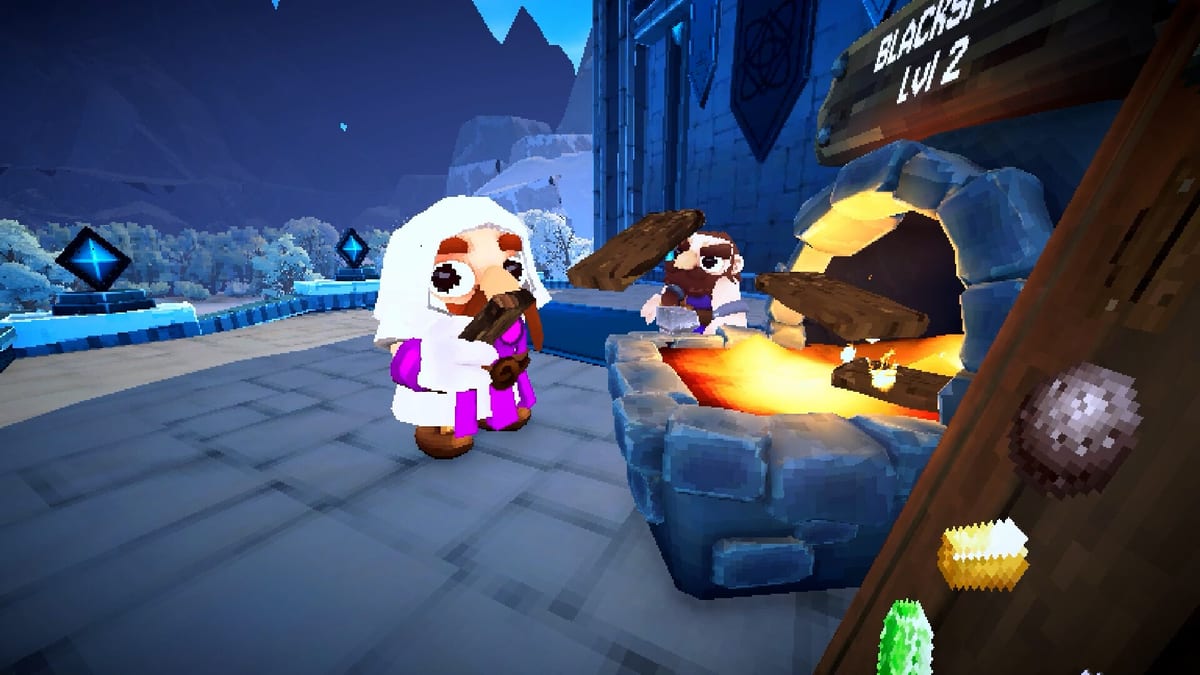
Stonewards supports online co-op for one to four players alongside full solo play. Banana Tiger Studio’s Steam title (app 4502710) keeps the same King-death fail condition in every mode: if the monarch falls, the run ends for the whole group. Co-op adds flexibility—you can split mining and surface defense—but it also punishes poor communication when one player stays underground too long while friends face a full wave short-handed. This guide covers role splits, callouts, recovery after mistakes, and how co-op timing differs from solo without turning the game into rigid class assignments.
What Co-op Changes
The dig–forge–defend loop is identical in solo and co-op:
- Defend the bastion and King during waves.
- Mine procedural caves for ore between waves.
- Forge ammo, repairs, and upgrades.
- Repeat until success or King death.
Co-op changes parallelism, not rules. More players can mine and repair simultaneously, but wave pressure assumes coordinated returns to surface. Uncoordinated parallelism is worse than solo because three defenders expect a fourth DPS slot that is still in a cave.
Recommended Group Size
| Players | Strength | Risk |
|---|---|---|
| 2 | Simple roles, easy callouts | One late miner halves firepower |
| 3 | Dedicated miner + two surface | Mid complexity, strong if flex rotates |
| 4 | High peak DPS and mine throughput | Branch sprawl without discipline |
Two-player teams often feel most consistent for learning because role confusion is low. Four-player teams win when someone enforces flex rotation on wave telegraphs.
Flexible Roles (Not Classes)
Stonewards does not require fixed classes, but these temporary roles help:
Primary Miner
Enters caves first after cleanup, calls ore type and depth (“iron, second branch”), and turns back on telegraph regardless of node completion.
Surface Anchor
Stays out of caves when timers are tight, handles early spawns, and confirms forge output before the next descent. Often the best player at How to Defend the King fundamentals.
Runner / Crafter
Surfaces quickly, deposits ore, triggers forge crafts, and patches the highest-priority wall segment while miners are still moving. Bridges mining and defense economies.
Flex
Whoever is deepest underground when telegraph starts becomes flex by returning immediately. This rule prevents social negotiation mid-timer.
Rotate roles between runs so skill gaps do not hide—everyone should anchor surface at least occasionally.
Communication Callouts That Matter
You do not need military radio discipline, but these phrases prevent most wipes:
- “Telegraph” — next wave warning; miners start exiting.
- “Spawned” — enemies active; no new mine trips.
- “Elite [lane]” — priority kill toward King path.
- “Breach [lane]” — repair or body-block needed now.
- “Surfacing” — miner ETA to bastion.
- “Ammo low” — forge before next descent.
Use external voice chat when possible. Text overlays are too slow for breach moments.
The Late Return Problem
The most common co-op failure: a miner commits to a deep node after telegraph, leaving three defenders to handle a four-player wave. Prevention beats recovery:
- Agree pre-run: telegraph means abort, no exceptions.
- Surface anchor repeats telegraph call even if heard.
- Run shorter branches with marked return paths—see How to Mine Fast.
If someone surfaces late anyway, defenders prioritize elites on the King lane and avoid ego-chasing distant trash. Discuss timer discipline after the wave, not during monarch chip damage.
Forge Coordination
Duplicate crafting wastes ore; zero crafting leaves everyone dry. Simple protocol:
- Runner announces forge plan (“ammo to threshold, then north wall”).
- Miners deposit all ore before re-descending.
- Team confirms upgrade picks that match last failure mode—consult Builds for synergies as the wiki expands.
Randomized upgrades should be read aloud so two players do not pick conflicting lines.
Difficulty and Mission Selection
Hub missions and modifiers apply to the whole party. Before queuing, align on mission goal—survival versus objective—and hub power level from How to Use the Hub. Under-geared groups repeating hard missions blame co-op when economy was never viable.
Solo Players Joining Public Groups
If matchmaking or invite lobbies appear in Early Access builds, enter with defaults:
- Ask role preference or accept flex.
- Never mine past telegraph on your first run with strangers.
- Ping or call breaches toward King before flank trash.
Good public etiquette mirrors premade teams: predictability beats hero plays.
Co-op vs Solo Skill Transfer
Solo teaches timer discipline; co-op teaches callouts. Strong teams rotate players through solo runs occasionally so everyone feels mine timer pressure directly. Aim and Combat knowledge still matter—roles do not replace shooting elites before they leak.
Session Planning
For a focused co-op night:
- One run learning lanes with Getting Started veterans hosting.
- One run applying How to Play Stonewards economy checks.
- Targeted fix: mining timers or wall priority, not both at once.
- Hub spend together so next run shares power spike.
Verify Controls and sensitivity settings match your role—miners need comfortable movement, anchors need stable ADS.
Early Access and Demo Notes
Co-op networking, lobby flow, and balance may shift during Early Access starting August 11, 2026. Role advice here targets the design Banana Tiger Studio showcases in demo footage: synchronized dig–fight cycles with shared King failure. Patch notes may adjust wave scaling per player count—revisit this page after major updates.
Frequently Asked Questions
Quick answers to the most common Stonewards questions.
How many players can play Stonewards co-op?
Stonewards supports online co-op for up to four players, plus solo play. All modes share the same King-death fail condition.
Do we need fixed classes in co-op?
No. Use flexible roles—miner, surface anchor, runner, flex—rotating by wave timers rather than permanent classes.
Why do co-op teams wipe when someone is mining?
Late returns from caves leave defenders short-handed during full waves. Call telegraph early and abort deep nodes.
What should I read for mine timing in groups?
[How to Mine Fast](/guides/how-to-mine/) covers routing and return rules that pair directly with co-op callouts.
Does hub progression apply to the whole party?
Hub missions and purchases affect what your group can bring into runs. Align mission difficulty in [How to Use the Hub](/guides/how-to-use-hub/) before long sessions.
Where do I learn the core loop first?
Read [How to Play Stonewards](/guides/how-to-play/) for wave, mine, and forge timing before specializing in co-op roles.